

“Science Seeks To Find Truth In The Natural World; Art Seeks To Find Truth In The Emotional World.”
Daniel J. Levitin – A Musical Species
When I think about the moments that really shaped and supported my musical journey, many come to mind. I’ll do my best to focus on the most important parts. So, this is a brief overview of a lively and sometimes challenging journey, which I look forward to sharing more about in the future.
It All Began Somehow With Music.
I’ve loved music ever since I could dance to it. Anything with a hefty beat, especially when combined with clever harmonies and outstanding melodies. I also have a deep affection for poetry and meaningful song lyrics, and a soft spot for unique, sometimes unusual voices. My record collection is quite extensive, covering many genres, and it takes up almost a third of my apartment.
When I was 9, I helped a friend of my mother in her record shop. As a reward, I was allowed to pick an LP. I chose Moonflower by Carlos Santana – my very first album. The energy of this music, its driving rhythm section, Latin percussion, roaring Hammond organ, and Carlos’s beautiful guitar riffs still enthral me today. It marked the start of my love affair with Latin music.
In 1984, I was incredibly fortunate to win a four-week adventure to Rio de Janeiro through a competition (Camel Discovery). It actually got covered in an article in a local magazine called Tango, with a classy photo by Klaus Frahm, titled “Our Man In Rio,” written by Hans Nieswandt.
In Rio, I had the wonderful opportunity to visit the famous “Escolas de Samba “and enjoy live music at some of the most famous venues. However, what truly touched me were the people from the favelas. Despite having almost nothing, they were incredibly warm, welcoming, and cheerful. It reminded me that kindness and joy of life aren’t about wealth at all.
My parents both loved music. During my early years in Scotland and England, we listened to Burt Bacharach, classical opera, baroque music, Frank Sinatra, and, of course, the Beatles. My mother had classical vocal training, and my father had a natural talent. Occasionally, they both sang along with the music on the radio — those perfect moments.
In 1969, following my parents’ separation, I ended up in the suburbs of Hamburg, Germany. The vivid memories I cherish from that time include catching mumps and watching the incredible moon landing on a black-and-white TV — an event that truly felt life-changing. From that moment, a question started to take shape in my mind:
Should I Become an Astronaut or an Artist?
In the children’s room, there were National Geographic posters everywhere, honouring all of the Apollo crews and explaining our solar system. My brother and I built a lunar module out of the children’s table. We hung a blanket over it and painted flight instruments on the underside. The record player played the space adventure „Spaceship UX3 Not Responding,“ and my brother and I took off for an intergalactic rescue mission.
I first discovered my love for music at the age of 8 when I joined a local marching band and started playing the drums. By the time I was 10, I was taking my first classical guitar lessons, and at 12, I was proud to receive the Golden Lyre for flawlessly playing 50 marches.
I dedicated five years to piano lessons with Prof. Scholz and Peter Geilich, then explored my favourite genres and learned from my greatest role models. To this day, I am continually learning—on the guitar, the piano, in arranging, and in the studio, always eager to learn more.
The Day Everything Changed.
When I turned 15, a guy I randomly met invited me to join him at the youth centre, situated right next to the remarkably beautiful Reinbek Castle.
All the influences that moved my focus from NASA to music are thanks to the wonderful people I met and the concerts I enjoyed there. It’s in this vibrant environment that I gladly formed my very first bands with my new friends. I started by sitting behind the drum kit, eager to learn and participate.
After a wild and experimental phase marked by long, shaggy hair and progressive art-rock, all embraced in colourful post-hippie outfits, a new chapter was about to arrive. Or rather, a liberation—the spirit of the ‚68s revolution had already faded significantly! It was about time for the rise of punk and new wave.
My hair changed and turned short and styled; my suits were „the kind you buy in a secondhand store,“ and my shoes were from London—Dr Martens and Creepers. (read more below the picture gallery)
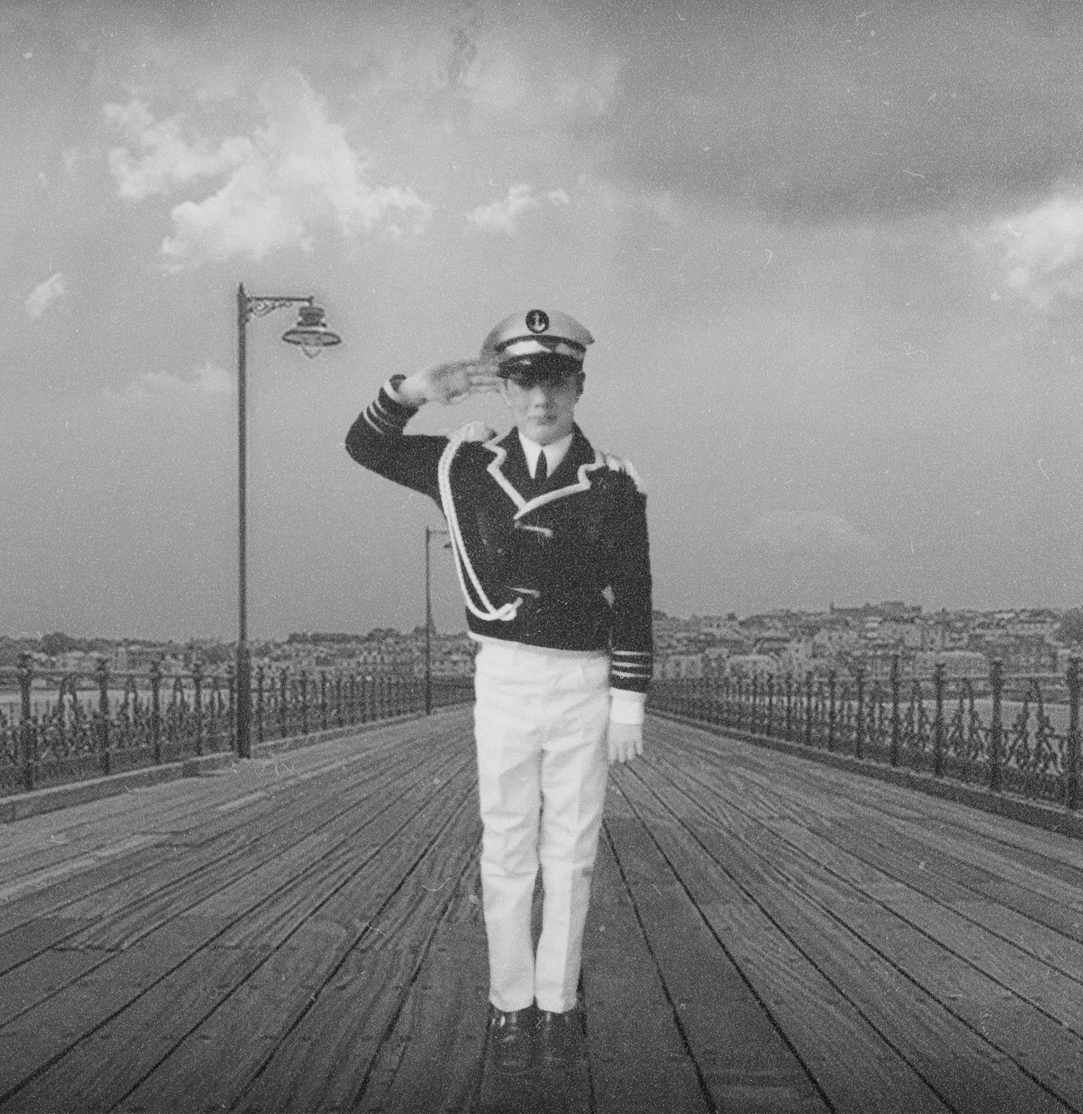
© Marching Band 1973
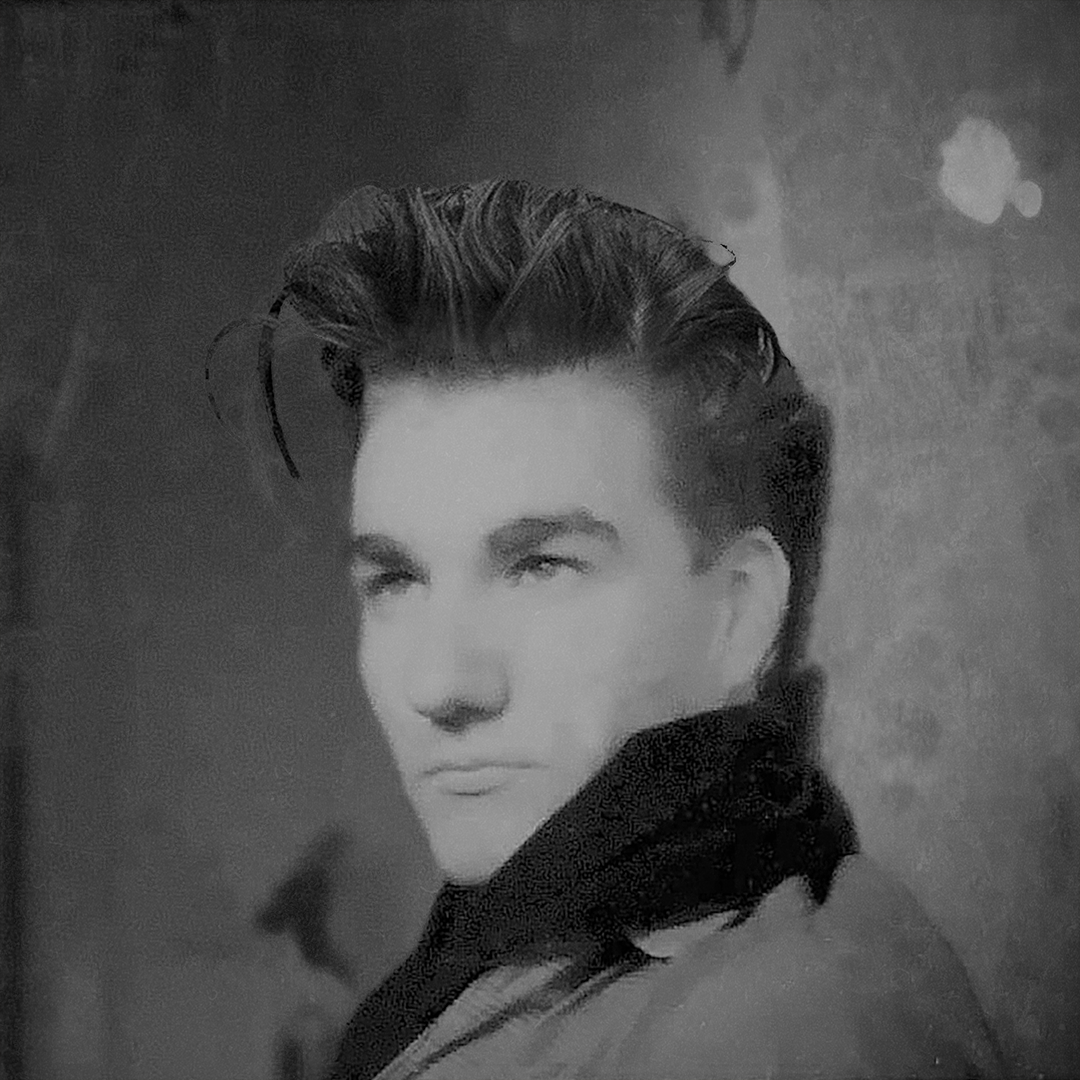
© By Stephan Dietrichs 1983

© Brighton 1984
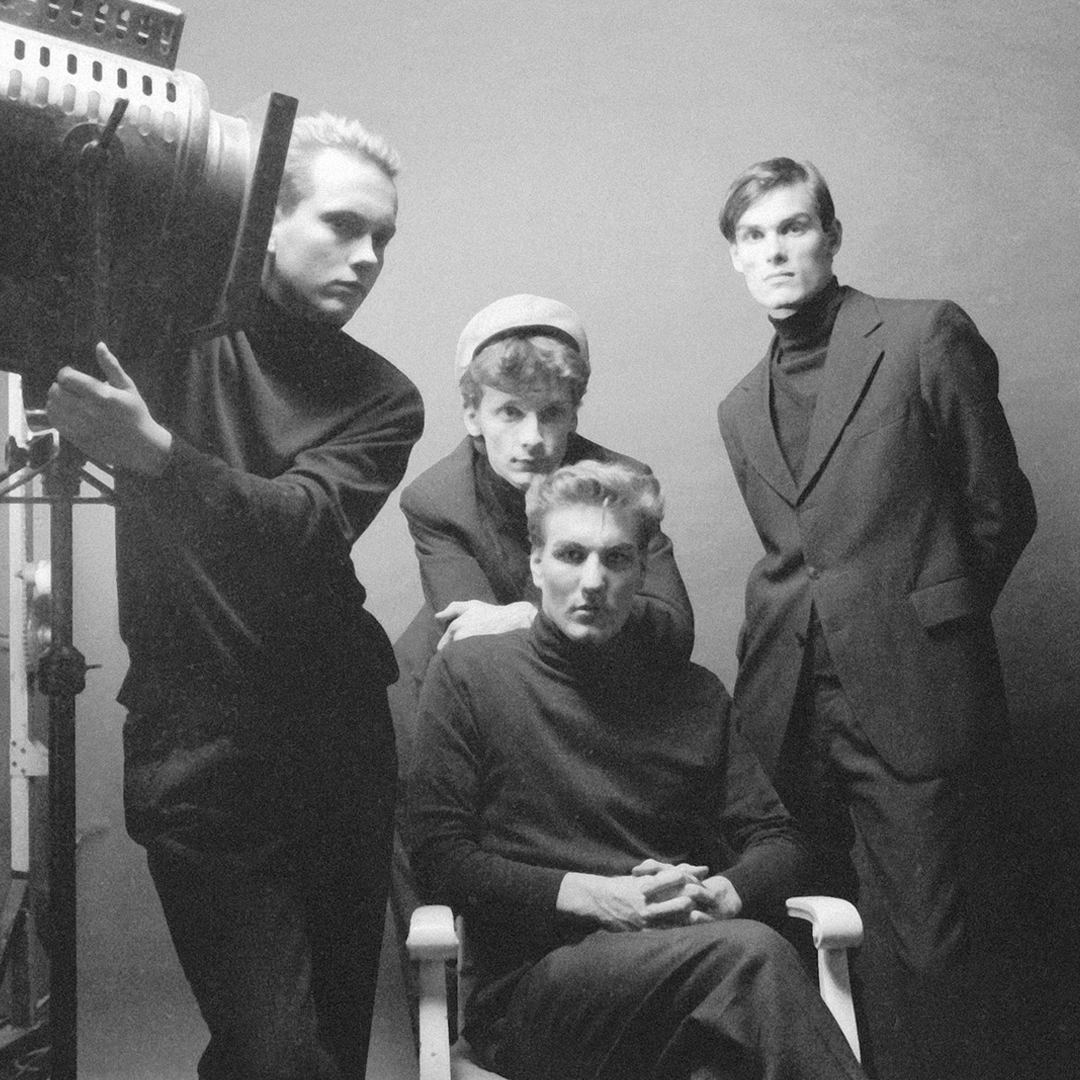
© The Butterfly Collectors 1986
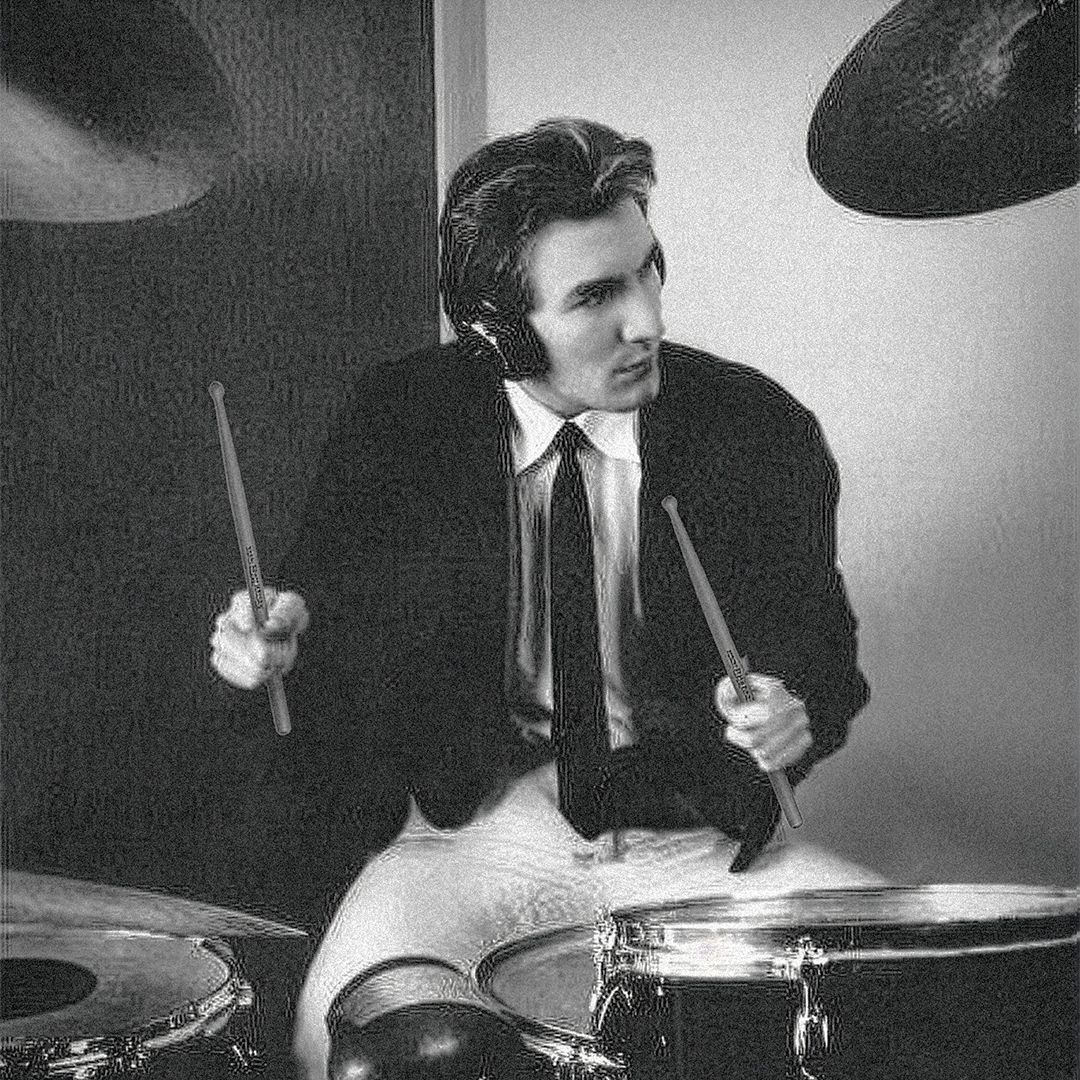
© Drums, Frank & The Passions 1988
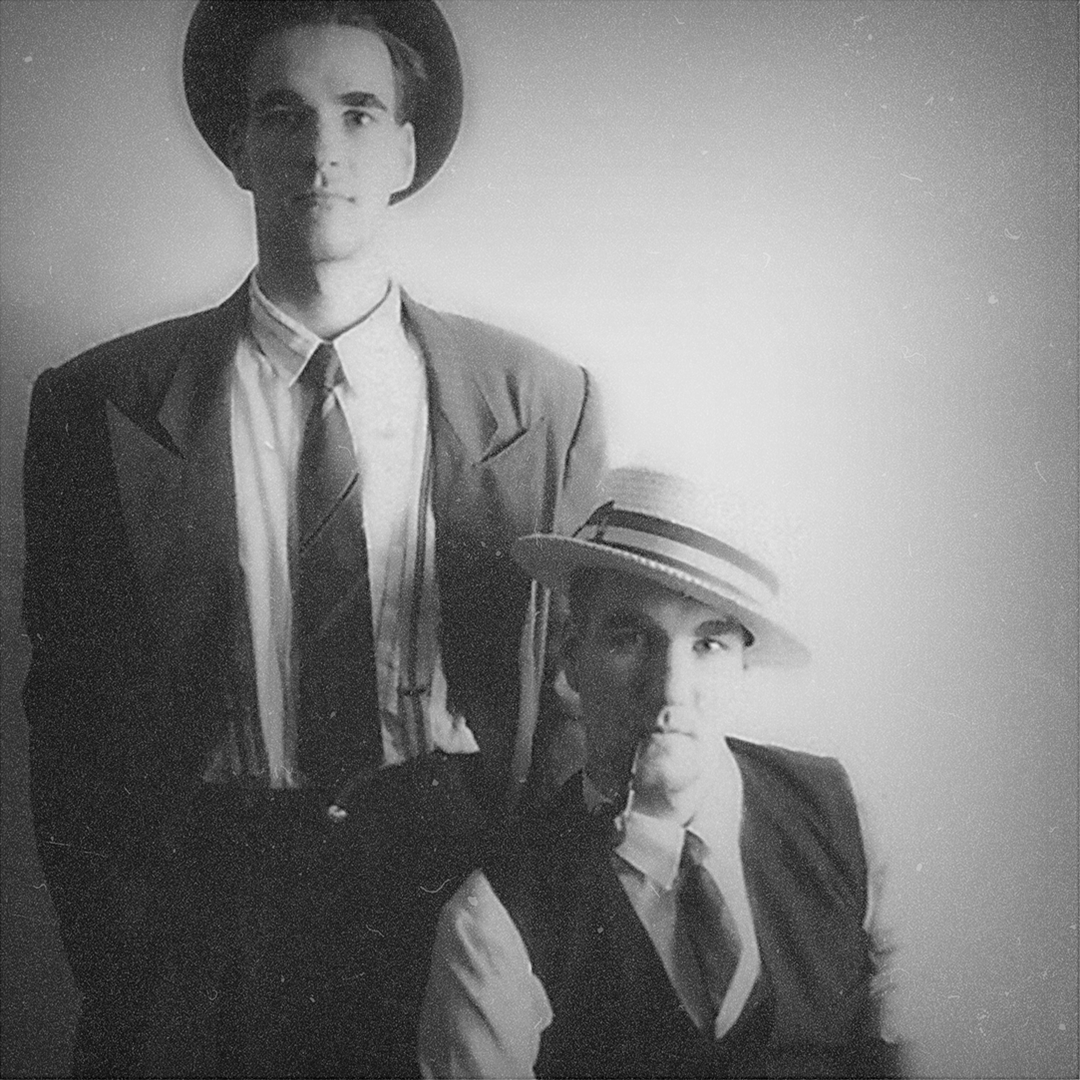
© By Klaus Frahm, Sven & Kirk 1984
Nothing Comes From Nothing
At 16, I sacrificed my summer holidays to work at the local industrial park, earning money for my drum kit, and the following year, for my piano.
My first notable band was Los Cocomicos, an homage to the comic strip featuring the adorable Marsupilami. Like a sponge, this band absorbed musical influences spread by the British Forces Broadcasting Service (BFBS). We met regularly to listen to this station, which was the only way to be inspired by the latest sounds from England. During breaks, we played Pong or Space Invaders on TV; welcome to ’80s paradise. Our main influences were: Haircut 100, Aztec Camera, Orange Juice, Madness, XTC, The Style Council, The Monochrome Set, and The Housemartins.
Our rehearsal room was in the middle of Hamburg, over an hour’s drive from downtown Reinbek – situated in a noisy, windowless air-raid shelter on Lutterothstrasse. Bear in mind that smoking was still rampant then. We rehearsed several times a week, always surrounded by a distinctive scent of ash and beer.
Our first concert in Hamburg city was at Dopium, at the Podium Theatre in Altona – sold out. Notable attendees included avant-gardist Holger Hiller, cultural scientist and pop critic Diedrich Dietrichsens, and the particularly delightful “Pillenbibies” – five charming ladies with bouffant hair, all sporting bat tattoos on their shoulders. To my delight, we met them quite regularly at concerts and other events.
In The City
The boys and I were spending more and more time “In The City’ (great song by X-Agenten). It was about time to move.
My first flat was fittingly in Hamburg’s composers’ quarter on Schubertstrasse – without central heating, just a coal stove — marking a new beginning. Years later, I lived on Brahmsallee and only recently on Gustaf-Mahler-Platz behind Hamburg’s Opera House. As you can see, I’ve always dwelt in the good company of some historical big shots.
New friendships quickly formed within the ambitious local music scene: Bernd Begemann, Norman Dierks, Timo Blunk, Ewald Dietrichsen, Sylvester Hein, and many more. We all flocked to the legendary Bermuda Triangle: three venues in the city’s night owl quarter, “Schanzenviertel“: Subito, Luxor, and KIR, all within walking distance. Sometimes, we hung out at the classy VEGA BAR, run by Heinz Hilchenbach, who resembled young Gregory Peck. A couple of years later, he opened the legendary Rossi Bar (the spot for the Mariah Carey video “Thank God I Found You”). He even sang in a band called Four Roses – evidently the band of a bartender, though it’s not quite my kind of whiskey after a taste; I prefer a peaty Scotch. Nevertheless, the burgeoning music scenes around us were very open-minded, leading to many exciting collaborations.
Time to Buckle Up
The Cocomicos appeared in some of the earliest video productions alongside “Junge Wilde” painters like Markus Öhlen— “Für eine Hand voll D-Mark” (For a Handful of D-Mark), directed by Oliver Hirschbiegel, and in the video “Wir müssen Helden sein” (We Must be Heroes), directed by Tim Renner.
Around that time, my longtime friend and fellow artist Natias Neutert introduced me to Anke at the legendary “Café Schöne Aussichten“. It was part of another triangle of venues in the somewhat more posh part of the city: Madhouse, Cha Cha, and Café Schöne Aussichten. As one would expect, all of them were within walking distance. The Café became a Sunday brunch institution, an artist hangout, and a venue for record companies, which hosted release concerts there—my personal highlight being Ben Harper in 1994, on the Welcome to the Cruel World tour. I still follow Ben’s work to this day.
And not to forget the legendary Christmas concerts. We were there to play, of course. At this point, I would also like to recommend the book compiled by Uriz von Oertzen about this special place.
An Upgrade Is Available
A new quartet, The Butterfly Collectors, featuring Christian Straube on vocals, had replaced the Cocomicos. They were a great band, though a bit too epigonal for my taste. On the positive side, the well-known comedian Otto Waalkes and his team (Thomas Kukuck, Hans Otto Mertens) took notice of us, and we were able to gain our first studio experience at the galactic GaGa Studios. I also got a job as a chauffeur for their A&R manager, Hans Krüger, who was dealing with some health issues. In that role, I witnessed legendary demo tape presentations in his Volvo, including those by Fine Young Cannibals, Sade, and the one-hit wonder King.
Finally, our band’s debut EP was recorded by Wolfgang von Henko at Ougenweide Studio just before I left the band. This pivotal event led me to meet brothers Frank and Stefan Wulff and later, to collaborate on theatre music at the renowned Deutsches Schauspielhaus in Hamburg. It also led to a guest appearance on the folk-rock band Ougenweide’s album SOL.
After The Butterflies, there were various band experiments, such as Frank & The Passions and Big Bird, but for me, the magic of the past was gone.
The legendary Alfred Hilsberg—recently deceased, and known as a German music journalist and underground label owner—hired me as a drummer for a concert at the KIR, and afterwards for the entire Nikki Sudden and the Jacobites tour, which took me through Switzerland, Austria, and Germany for six weeks, all under the weirdest circumstances—but definitely good material for a film.
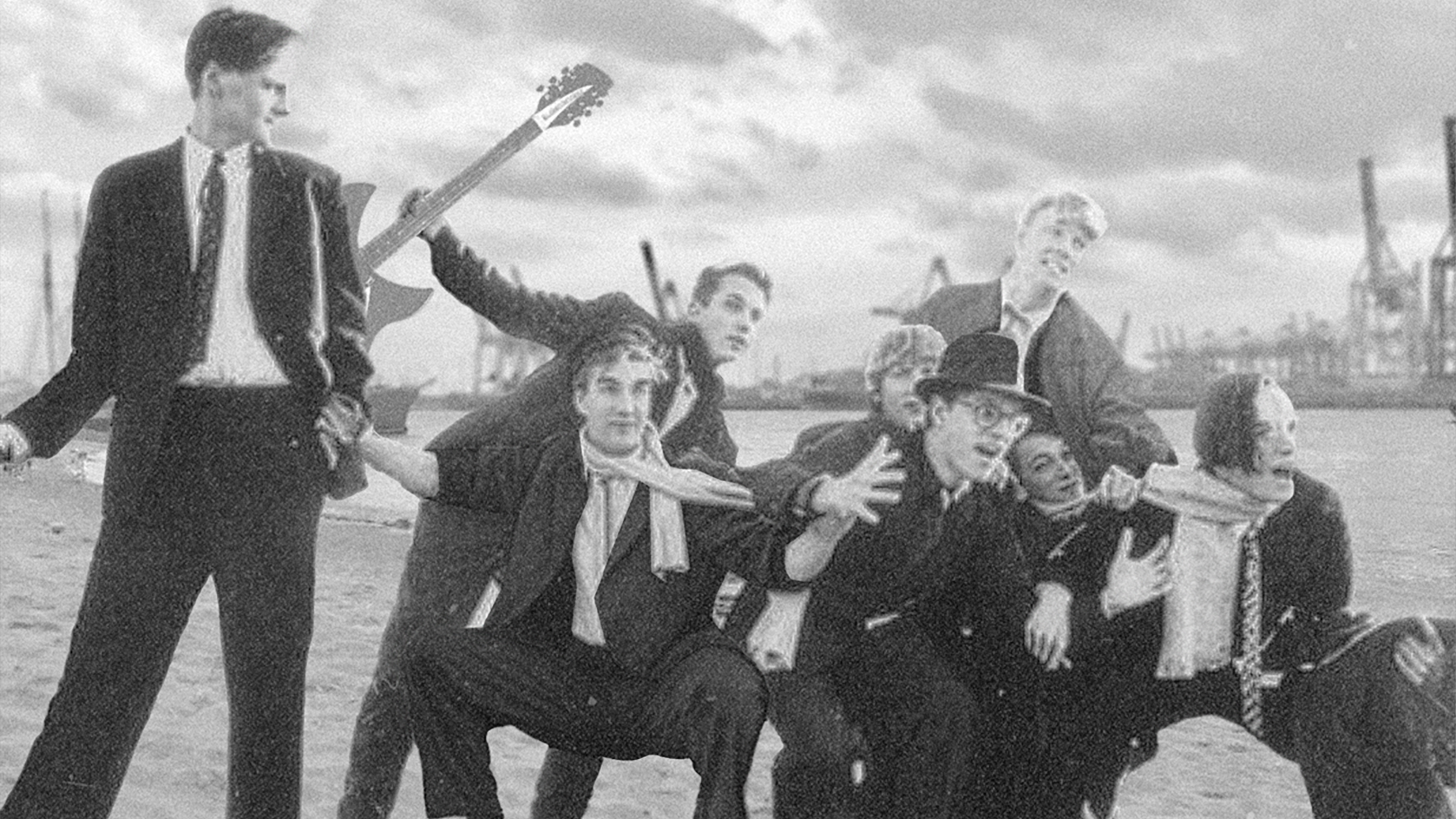
© Los Cocomiscos 1984
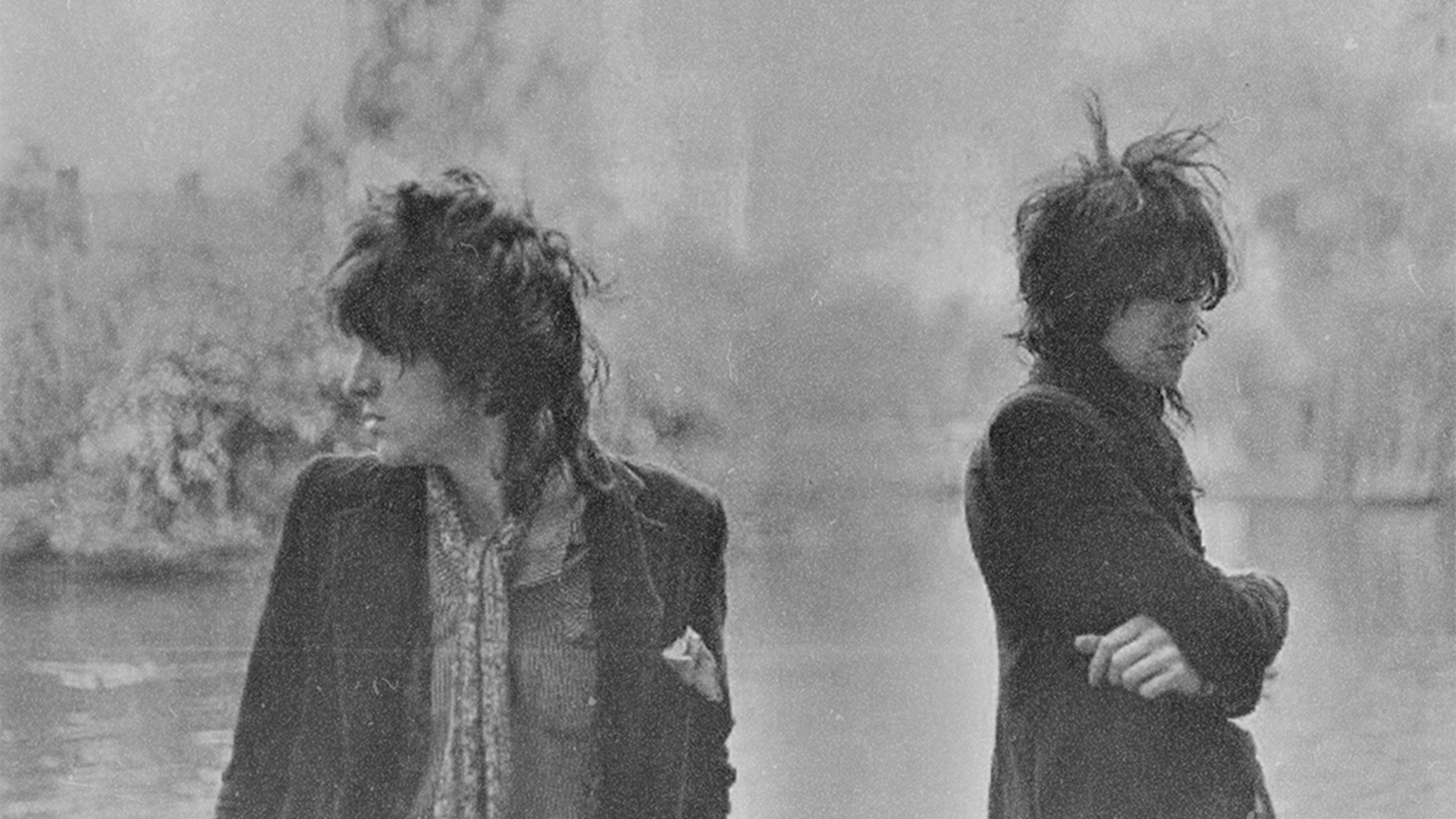
© Nicki Sudden & The Jacobites Tour, D, AT, CH 1989
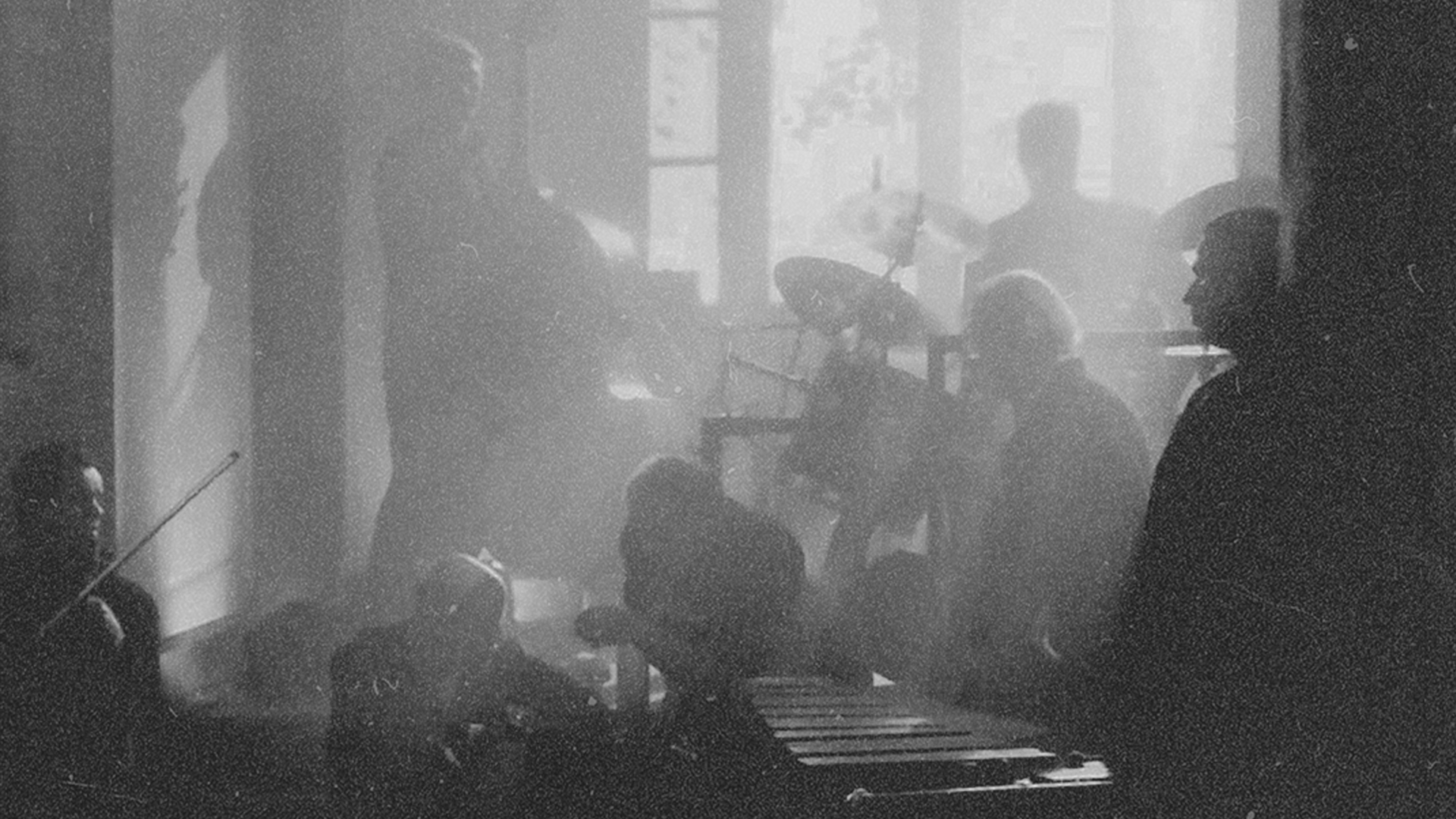
© Christian Redl, Francois Villon | NDR TV shooting 1993
Don’t Make A Scene
In the 90s, I played music in the ensemble at the “Deutsches Schauspielhaus,” alongside Monica Bleibtreu, Moritz Bleibtreu, Ben Becker, among others. For five years, I performed shows featuring the ballads of Françoise Villon, sung by the great German actor Christian Redl, with an amazing band built around the Wulff brothers—Max, Stefan, and Frank; followed by a year at “JAK-Jugendtheater auf Kampnagel” (Hamburg Youth Theatre), where I served as musical director.
During this period, I played with some new fellow artists in bands like M’Blue Et Moi, Migraine, and S.W.O.P. (featuring pianist Max Wulff).
After I stopped playing the drums in 1996, I focused on the piano and guitar, and I finally started writing the songs I had been thinking about for so long.
Turning Point: Time To Become A Producer And Songwriter
On New Year’s Eve of 1990/91, I was fortunate to meet my close friend Ralf Marquardt. He proved to be both a kindred spirit and an inspiring creative collaborator. We began our journey with great enthusiasm, and since then, we have shared many joyful moments.
Our band, The Sea Change, was born. To date, we have produced 7 albums, with one currently in progress. (more info about the band)
Starting My Own Recording Studio
Back in the ’90s, one of my goals was to become an excellent sound engineer. To learn the craft, I studied for two years (2008-2010) via distance learning at a renowned institute in London. Later, I owned a large recording studio (Seven Star Studios) that I designed and built myself—located right next to the martial arts dojo where I trained in seven-star mantis Kung Fu at the time—another of my passions. Today, I run my own state-of-the-art project studio in Hamburg’s city centre.
At the same time, I was working on some projects with Anke, including songwriting for the children’s television programme “Die Sendung mit der Maus” (The Show with the Mouse). Produced by WDR in cooperation with other member broadcasters of the ARD (first German public broadcasting channel) network.
Ever since, the topic of children and young people has been a fundamental aspect of our collaboration and is particularly close to our hearts.
When I met Henning Windelband about 20 years ago (today, he is CEO of youngfilms), I had no idea that a friendship and a fantastic, creative collaboration would develop. Together with Anke, I wrote and produced 15 songs for the hit show “Meine Freundin Conni” (My Friend Conny) in 2016.
The joy of working together with Anke gave rise to the idea for Type & Tone. And here we are now to entertain you.
Side by side, already a multi-award-winning team today.
“Do You Know That Our Soul Is Composed Of Harmony?”
Leonardo daVinci